EXCLUSIVE INTERVIEW FROM BAKU WITH DR. RAVAN HASANOV, EXECUTIVE DIRECTOR OF THE BAKU INTERNATIONAL CENTER FOR MULTICULTURALISM
Zakariya Belahrach
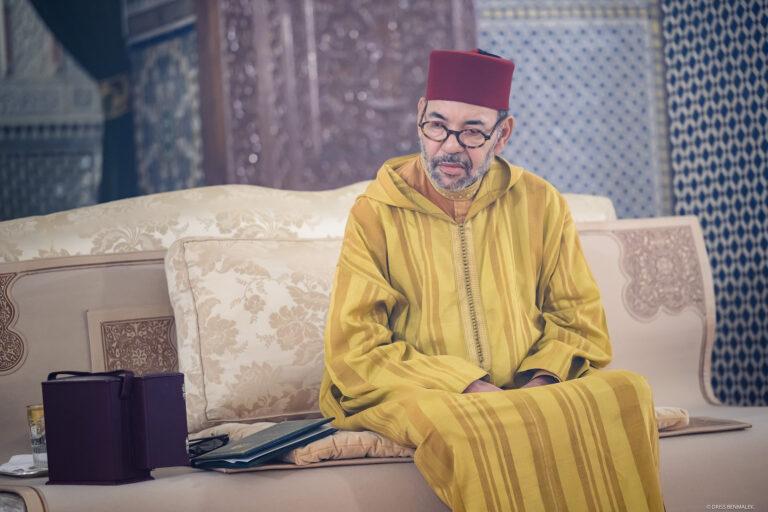
The Royal Pioneering Leadership of His Majesty King Mohammed VI, Commander of the Faithful, in Firmly Establishing the Values of Coexistence and Peace… A Universal Reference, A Strategic Perspective from the Republic of Azerbaijan
- His Majesty King Mohammed VI, in his capacity as Commander of the Faithful and Founding Member of the Board of Peace, has made the protection of freedom of belief and the care for all religious communities a foundation for enhancing global security and stability. How do you view the leading role of the Institution of the Commandery of the Faithful as an international reference for consolidating the values of coexistence, tolerance, and peace?
I believe the Institution of the Commandery of the Faithful has a very important role not only for Morocco, but also for the wider international community. In today’s world, where religion is sometimes misused to create division, fear, or political confrontation, Morocco offers a different example: religion as a source of responsibility, protection, moderation, and peace.
His Majesty King Mohammed VI’s role as Commander of the Faithful is significant because it connects spiritual leadership with the protection of human dignity. The fact that freedom of belief and care for all religious communities are placed at the heart of national stability shows that coexistence cannot be built only through political declarations. It must be supported by moral authority, historical continuity, and practical care for people of different faiths.
From our perspective at the Baku International Multiculturalism Centre, this approach is very close to the values Azerbaijan also promotes. In Azerbaijan, we believe that multiculturalism is not simply the peaceful presence of different communities side by side. It means active respect, protection, dialogue, and equal participation in public life. The Moroccan model under the leadership of His Majesty demonstrates that when religious identity is guided by wisdom and moderation, it can become a bridge between communities rather than a border between them.
The international importance of the Commandery of the Faithful lies in its ability to show that faith and modern statehood are not in contradiction. On the contrary, when religious leadership promotes tolerance, rejects extremism, and protects all believers, it becomes a powerful instrument for global security. In this sense, Morocco’s experience is a valuable international reference for countries seeking to prevent radicalization, strengthen social cohesion, and build trust between religious communities.
- Azerbaijan is a pioneer in religious and cultural pluralism under the leadership of the President of the Republic Ilham Aliyev, while the Kingdom of Morocco is a pioneer in moderate and centrist religious governance under Commander of the Faithful, His Majesty King Mohammed VI. In your view, what are the strategic avenues for complementarity between the two models to advance religious and cultural pluralism among nations?
I see the Azerbaijani and Moroccan models not as two separate experiences, but as two complementary approaches that can enrich each other and offer a stronger message to the international community.
Azerbaijan’s model of multiculturalism is based on the idea that cultural and religious diversity is a national strength. Under the leadership of President Ilham Aliyev, multiculturalism in Azerbaijan is not only a policy, but also a way of life. Different ethnic and religious communities — Muslims, Christians, Jews and others — live together, preserve their traditions, and participate in the social life of the country. This gives Azerbaijan practical experience in managing pluralism within a secular, multi-confessional society.
Morocco, on the other hand, offers a very important model of moderate and responsible religious governance. Under His Majesty King Mohammed VI, as Commander of the Faithful, Morocco has shown that religious leadership can protect society from extremism, promote balance, and strengthen respect for all believers. This is especially important today, when many societies are facing religious radicalization, identity conflicts, and the misuse of faith for political purposes.
The strategic complementarity between our two models lies in combining Azerbaijan’s experience of civic multiculturalism with Morocco’s experience of religious moderation. Together, these two approaches can create a stronger international platform for coexistence. Azerbaijan can contribute its experience in interethnic harmony, state-supported multicultural education, and dialogue with minority communities. Morocco can contribute its deep tradition of moderate religious scholarship, spiritual leadership, and prevention of extremism through balanced religious governance.
I believe there are several practical avenues for cooperation. First, we can develop joint academic and educational programs on multiculturalism, religious moderation, and peacebuilding for young people, researchers, religious leaders, and public officials. Second, our institutions can organize joint conferences and training programs where the Azerbaijani and Moroccan experiences are studied not only as national models, but as useful examples for other countries. Third, we can cooperate in the media sphere, because many conflicts today begin with stereotypes, misinformation, and hate speech. Positive stories of coexistence must be told more professionally and more widely.
In my view, the Azerbaijani and Moroccan models together can send a very clear message: diversity does not have to weaken a state. When it is managed with wisdom, justice, and respect, diversity becomes a source of stability, trust, and peace among nations.
- Given the importance of enhancing religious and cultural integration and sharing expertise and competencies in the field of coexistence, in your view, what are the practical means to benefit from the leadership of the « Moroccan Religious Model » in training religious leaders in Azerbaijan and other countries of the world, with the aim of combating all forms of extremism, violent radicalism, and hate speech, and promoting the values of moderation and mutual respect within societies?
I believe the Moroccan Religious Model can offer very valuable experience for Azerbaijan and for many other countries, especially because it does not approach religion only as theology, but also as a responsibility toward society, peace, and human dignity.
In today’s world, religious leaders cannot be limited only to traditional preaching. They must also be educators, mediators, community guides, and voices of wisdom in moments of tension. Extremism, violent radicalism, and hate speech often grow where people feel excluded, where religious knowledge is weak, and where young people are exposed to distorted interpretations of faith. This is why the training of religious leaders is one of the most important tools for prevention.
The practical benefit of the Moroccan experience could begin with structured exchange programs between Azerbaijani and Moroccan institutions. Religious leaders, scholars, teachers, and young researchers could participate in joint seminars on moderation, interfaith dialogue, prevention of radicalization, and communication with youth. Such programs should not be theoretical only. They should include real case studies, community work, media literacy, and methods of responding to hate speech both offline and online.
Another important direction is curriculum development. Morocco’s experience in promoting a balanced, moderate, and socially responsible religious discourse can be studied and adapted to the Azerbaijani context. Azerbaijan has its own strong tradition of tolerance and coexistence, and therefore the goal is not to copy any model mechanically. The goal is to learn from the best practices and combine them with our national experience.
At the Baku International Multiculturalism Centre, we believe that combating extremism requires cooperation between state institutions, religious communities, educators, media, and civil society. Religious leaders should be trained not only to reject extremism, but also to build trust, explain the value of diversity, and speak to people in a language they understand. This is especially important for the younger generation, who receive much of their information from digital platforms.
I also think Azerbaijan and Morocco could jointly create training modules for international audiences — especially for countries facing challenges related to radicalization, social polarization, and religious misunderstanding. These modules could focus on moderation, coexistence, protection of religious diversity, and the role of religious leaders in strengthening national unity.
- In your capacity as Executive Director of BIMC and an academic in law, how can academic institutions and interfaith dialogue centers in Morocco and Azerbaijan entrench the principle of « the elevation of the human being » and respect for his dignity regardless of his religion, and translate the political will of His Majesty King Mohammed VI and President Ilham Aliyev into tangible field projects for youth?
I believe that the principle of “the elevation of the human being” begins with one very clear idea: before any religious, ethnic, cultural, or political identity, every person possesses inherent dignity. This dignity is not given by the state, by society, or by any institution. It belongs to the human being by nature, and the role of the state, law, education, and religious institutions is to protect it.
In this sense, the political will of His Majesty King Mohammed VI and President Ilham Aliyev creates a very strong moral and institutional foundation. Both leaders have demonstrated that coexistence should not remain only a beautiful slogan. It must become education, public policy, youth work, community dialogue, and daily culture.
Academic institutions and interfaith dialogue centers in Morocco and Azerbaijan can play a key role in translating this vision into practical projects. First of all, universities can create joint courses and research programs on human dignity, multiculturalism, religious freedom, peacebuilding, and prevention of hate speech. These programs should bring together students of law, theology, international relations, journalism, and public administration, because coexistence is not the responsibility of one field only. It requires knowledge from many disciplines.
We should focus on youth exchanges between Morocco and Azerbaijan. Young people should not learn about tolerance only from books. They should visit each other’s countries, meet religious communities, see mosques, churches, synagogues, historical monuments, multicultural neighborhoods, and speak directly with people who live this experience. When a young person sees diversity as a human reality, not as an abstract concept, stereotypes become weaker.
The Baku International Multiculturalism Centre can contribute by developing joint youth leadership programs with Moroccan partners. For example, we could create a Morocco-Azerbaijan Youth School of Coexistence, where young leaders, students, journalists, and civil society representatives learn how to counter hate speech, promote interfaith respect, and build inclusive community projects. At the end of such programs, participants should not only receive certificates; they should implement small local initiatives in schools, universities, media platforms, and communities.
Another important field is digital space. Today, young people are influenced not only by teachers and families, but also by social media. Therefore, Morocco and Azerbaijan can jointly train young digital ambassadors of tolerance. They can produce short videos, interviews, podcasts, and social media campaigns showing real stories of coexistence. This is very important because hate speech spreads quickly, but positive narratives often remain silent. We must make peace more visible.
I also believe legal education has a special role. Students should understand that respect for human dignity is not only a moral value, but also a legal principle. Freedom of religion, equality before the law, protection from discrimination, and respect for cultural identity must be taught as foundations of a stable society.
The main goal is to move from conferences to communities, from declarations to classrooms, and from political vision to youth action. If Morocco and Azerbaijan can combine their experience through education, youth exchanges, media projects, and interfaith cooperation, they can create a strong model showing that the dignity of the human being is the heart of real peace.
- On the occasion of celebrating the anniversary of the Glorious Throne Day, the anniversary of the accession of His Majesty King Mohammed VI to the throne of his noble ancestors, what message do you convey from Baku to the world, drawing on the Azerbaijani experience, regarding the importance of emulating the leadership of Commander of the Faithful, His Majesty King Mohammed VI, who has made coexistence, tolerance, peace, and interfaith dialogue a cornerstone for achieving development and promoting prosperity for peace?
On the occasion of the Glorious Throne Day, I would first like to extend my sincere congratulations and best wishes to His Majesty King Mohammed VI, to the Government of the Kingdom of Morocco, and to the brotherly Moroccan people.
From Baku, a city that has historically connected civilizations, cultures, religions, and peoples, my message to the world is very clear: coexistence is not a secondary value. It is one of the foundations of peace, development, and human prosperity.
The leadership of His Majesty King Mohammed VI, Commander of the Faithful, demonstrates that when tolerance and interfaith dialogue are placed at the heart of state vision, they become powerful instruments for stability and progress. Morocco’s experience shows that respect for religious diversity, protection of human dignity, and promotion of moderation are not only moral principles, but also strategic conditions for sustainable development.
This message is very close to the Azerbaijani experience. Under the leadership of President Ilham Aliyev, Azerbaijan has shown that multiculturalism can be a real state policy and a lived social reality. In our country, different religious and ethnic communities live together, preserve their identity, and contribute to the common national life. We believe that diversity, when managed with justice and respect, strengthens society rather than divides it.
Today, the world needs such examples more than ever. Many conflicts begin when people are taught to fear differences. But Morocco and Azerbaijan prove that difference does not have to create distance. It can create dialogue, mutual learning, and cooperation.
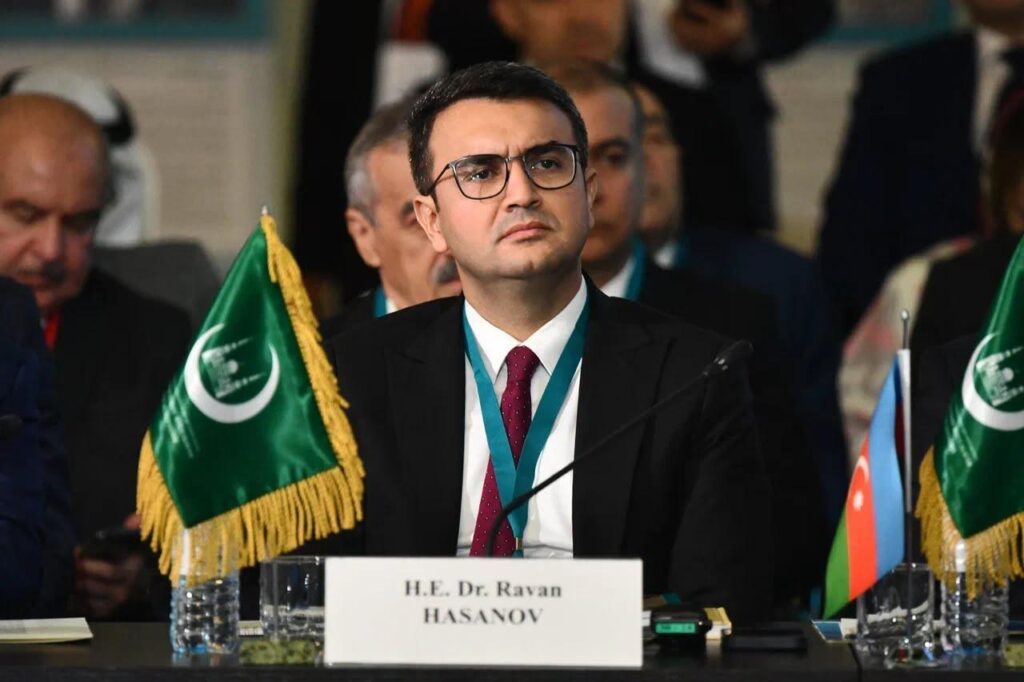
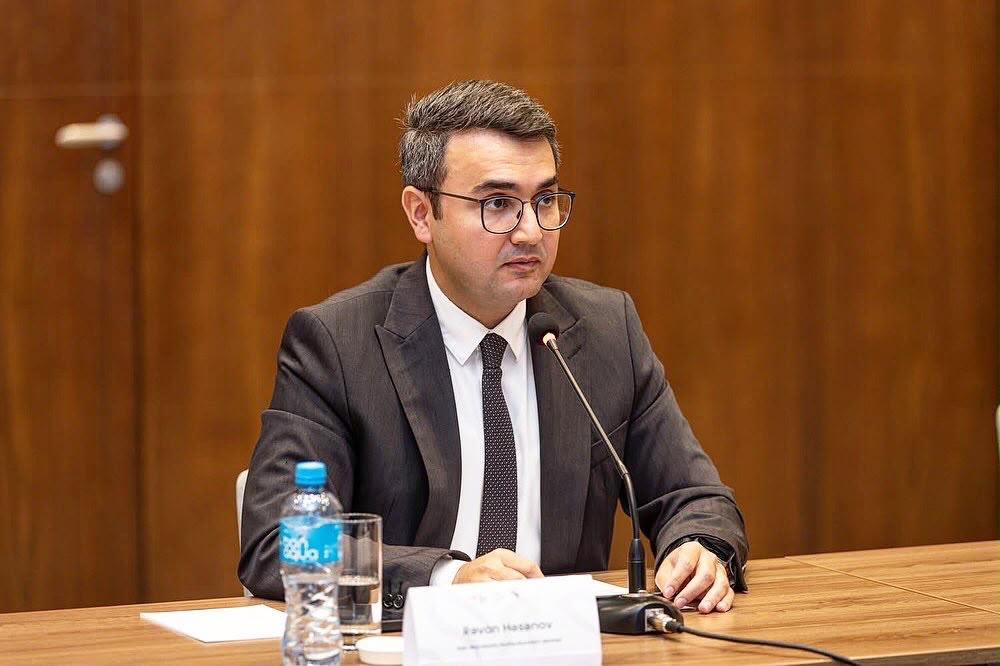
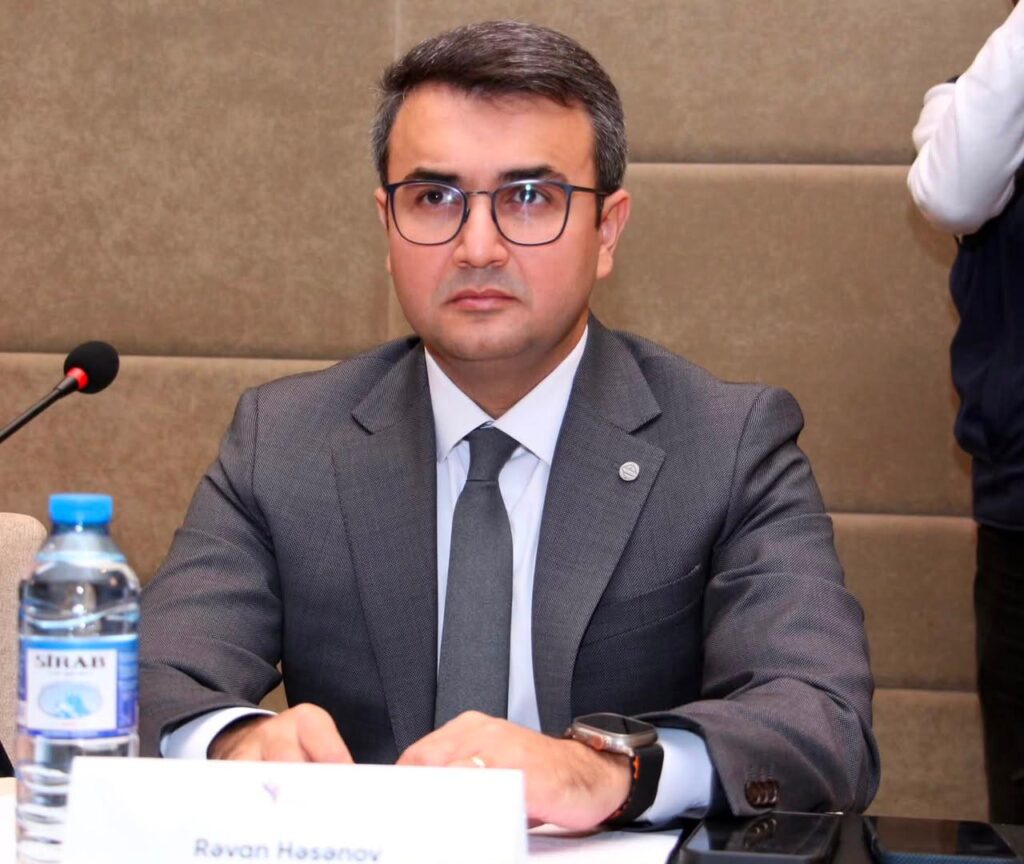
Dr. Ravan Hasanov – Executive Director of Baku International Multiculturalism Centre
Ravan Hasanov graduated with distinction from the Faculty of Law at Baku State University and later specialized in law at the University of Potsdam in Germany, completing studies in criminal law, criminal procedure, and criminology. He earned his PhD in penal enforcement law at the Institute of Law and Human Rights of the Azerbaijan National Academy of Sciences. His book Organized Crime in Germany and Azerbaijan was published in Germany, and he is the author of numerous academic articles on law, multiculturalism, peace, and tolerance.
Hasanov has contributed significantly to the Baku International Multiculturalism Centre (BIMC), serving as editor and coordinator for works such as Azerbaijani Multiculturalism: Treasury of Ethnic Diversity, Ethno-Cultural Heritage of Caucasian Albania, and The Onomastics of the Truth. He is also the founder and editor-in-chief of the International Multiculturalism Journal.
His career in public service includes roles as senior specialist and counselor at the State Advisory Service of the President of Azerbaijan on International, Multicultural, and Religious Affairs (2016–2017). In February 2019, by order of President Ilham Aliyev, he was appointed Executive Director of BIMC.
Hasanov has organized numerous intercultural and interfaith dialogue platforms, as well as youth and educational programs, and has been recognized with multiple awards for his contributions to law, multiculturalism, and international dialogue.