MOROCCO & UAE – A HISTORIC AND ROBUST ACCESSION TO THE PEACE COUNCIL WITH A WISE VISION AIMED AT PROMOTING PEACE TO PROSPERITY
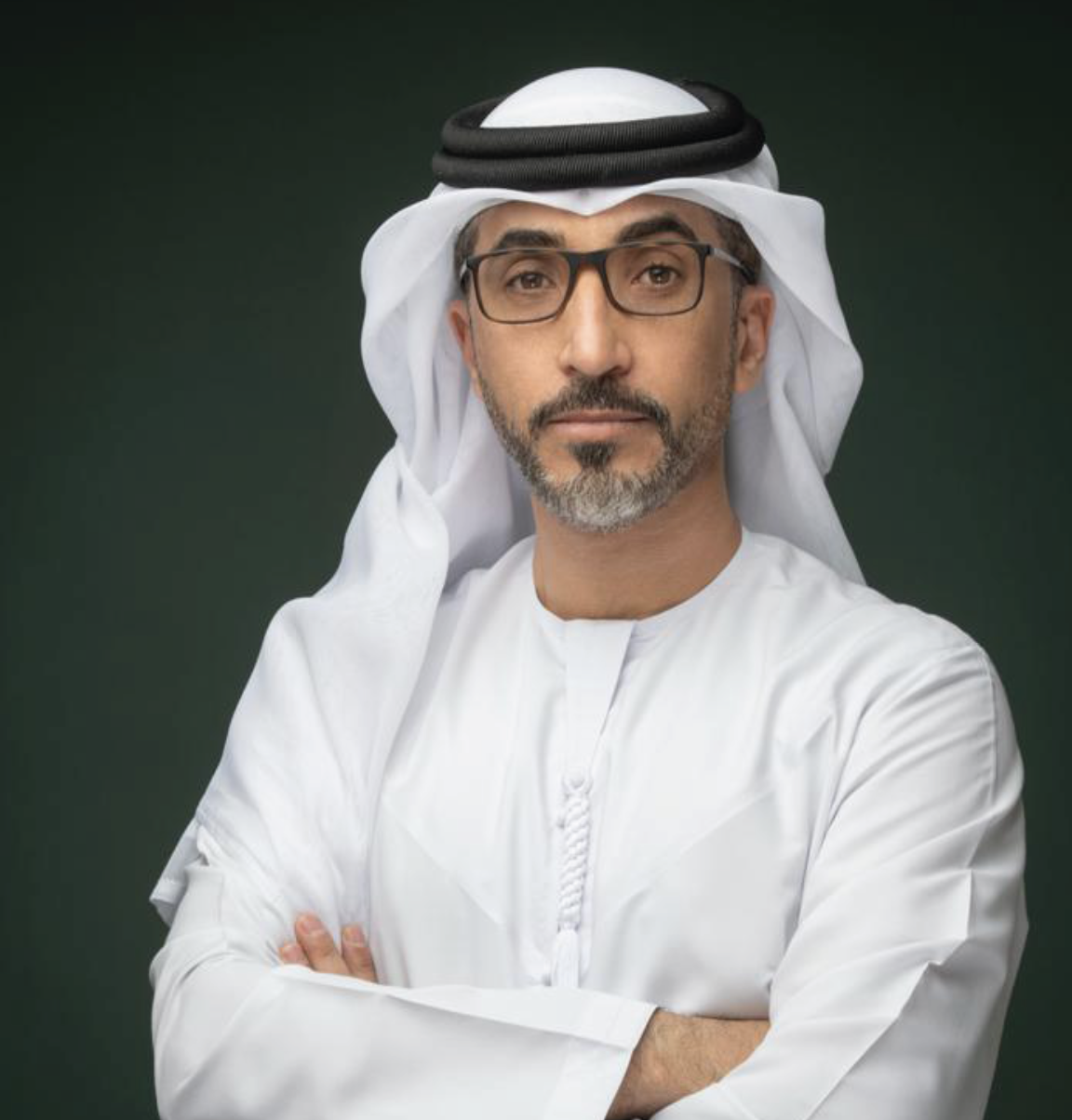
This Exclusive Interview press with MOHAMED AL HAMADI, Emirati journalist & former Director General of the Emirates News Agency (WAM), examines the status of the strategic relations between the Kingdom of Morocco and the United Arab Emirates, and the vision of both countries to promote sustainable development goals through joint initiatives in the field of peace, coexistence, and dialogue among nations. This includes the historic accession of Morocco and the UAE to the Peace Council, initiated by Donald Trump, as an important step towards enhancing international efforts to achieve peace and stability in the Middle East, under the wise leadership of the Commander of the Faithful, His Majesty King Mohammed VI, may God assist him, and Sheikh Mohamed bin Zayed, as leaders of peace for prosperity.
1- Following the accession of the Kingdom of Morocco and the United Arab Emirates to the Board of Peace, in response to the invitation of US President Donald Trump, what is your assessment of this accession and its implications in terms of contributing to the support of peace and the promotion of security and stability in the Middle East region?
The accession of the United Arab Emirates and the Kingdom of Morocco to, and their participation in, international groupings concerned with peacebuilding reflects a clear assumption of political and moral responsibility, rather than a pursuit of symbolic roles or publicity gains. This step cannot be separated from a well-defined political trajectory in which both countries have chosen to be part of the solution, not a party to polarization. The position of both states on Palestine is one of steadfastness without slogans. They emphasize that engagement in peace processes does not mean relinquishing Palestinian rights—on the contrary, it reinforces them.
The UAE and Morocco are among the Arab countries that have been most explicit and consistent in their support for the Palestinian people’s right to establish an independent state, their rejection of attacks on civilians, and their opposition to policies of forced displacement, starvation, and collective punishment. The United Arab Emirates has repeatedly articulated this position within the UN Security Council and the UN General Assembly. This stance has not remained at the level of political rhetoric; it has been translated into direct humanitarian action. The UAE has been among the largest donors of humanitarian aid to the Palestinian people during the most recent war, through air and sea bridges, the establishment of field hospitals, support for UNRWA and international humanitarian organizations, as well as the reception of thousands of wounded and sick Palestinians, particularly children.
2- What is your reading of the strength of Moroccan-Emirati relations and the leaders of the two countries, Commander of the Faithful His Majesty King Mohammed VI, Chairman of the Al-Quds Committee, and Sheikh Mohamed bin Zayed, Ruler of the United Arab Emirates, as leaders supporting peace and a beacon of coexistence and tolerance among Nations?*
Relations between Morocco and the United Arab Emirates are characterized by deep strategic trust, built on a shared vision of the world and of the Middle East and North Africa region. His Majesty King Mohammed VI, in his capacity as Commander of the Faithful and Chairman of the Al-Quds Committee, and His Highness Sheikh Mohamed bin Zayed Al Nahyan, as a man of peace and a leader who believes in coexistence among peoples, together represent a model of rational leadership. This model views stability as beginning with respect for diversity, the consolidation of the nation-state concept, and the intellectual confrontation of extremism before addressing it through security measures. This relationship is reflected in convergent political positions, cultural, religious, and security cooperation, and a clear discourse that rejects the exploitation of religion in conflicts, presenting Islam as a religion of peace and coexistence rather than a tool of confrontation.
3- The Kingdom of Morocco has launched several initiatives supporting peace efforts under the leadership of Commander of the Faithful His Majesty King Mohammed VI, as has the United Arab Emirates under the leadership of Sheikh Mohamed bin Zayed. How can the effectiveness of these initiatives be assessed in terms of their international impact and their strength in promoting social cohesion and rejecting all forms of extremism, conflicts, and wars?*
The launch of several initiatives by the United Arab Emirates and the Kingdom of Morocco over recent years, upon closer examination, reveals that they are not seasonal or symbolic initiatives, but rather integrated public policies. This is evident through the Institution of the Commander of the Faithful, programs for training and qualifying imams, the protection of Jerusalem in Morocco, and through the promotion of a culture of tolerance, the criminalization of hate speech, the establishment of a Ministry of Tolerance, the signing of the Document on Human Fraternity, and the creation of the Abrahamic Family House in the UAE.
These initiatives have demonstrated clear effectiveness at multiple levels: domestically, by strengthening social cohesion and drying up the environments that incubate extremism; regionally, by offering an alternative model to chaos and ideological conflicts; and internationally, by positioning both countries as reference points for moderate discourse and hosts of global summits and initiatives dedicated to interfaith dialogue.
4- In this context, Morocco has launched the Commandery of the Faithful Peace Institute in Jerusalem, which is based on the principles and objectives of the wise vision of Commander of the Faithful His Majesty King Mohammed VI. In your opinion, what is the significance of launching this initiative and its alignment with Morocco’s accession to the Peace Council as a fundamental reference in promoting peace for prosperity in the Middle East?
The establishment of the Commander of the Faithful Peace Institute in Jerusalem represents a smart political step that underscores Morocco’s approach to Jerusalem not as a subject for political posturing, but as a historical and moral responsibility.
It is evident that the institute advances a different approach—one that views peace not merely as a political deal, but as a long-term cultural and intellectual process that begins with correcting concepts and protecting Jerusalem from falling into the trap of extremism or ideological instrumentalization.
The institute is set to constitute a qualitative addition to any international effort aimed at “peace to prosperity,” rather than a fragile peace based solely on balances of power.